Digital IDs and Personal Privacy: Navigating the Benefits and Risks
How digital identity systems work worldwide, the efficiency and inclusion benefits they offer, and the surveillance risks they pose.
In an increasingly digital world, governments and organizations worldwide are implementing or considering digital ID systems. While these systems promise enhanced efficiency and security, they also raise significant concerns about personal privacy. This article explores what digital IDs are, how they work, and their potential impact on individual privacy.
What are Digital IDs?
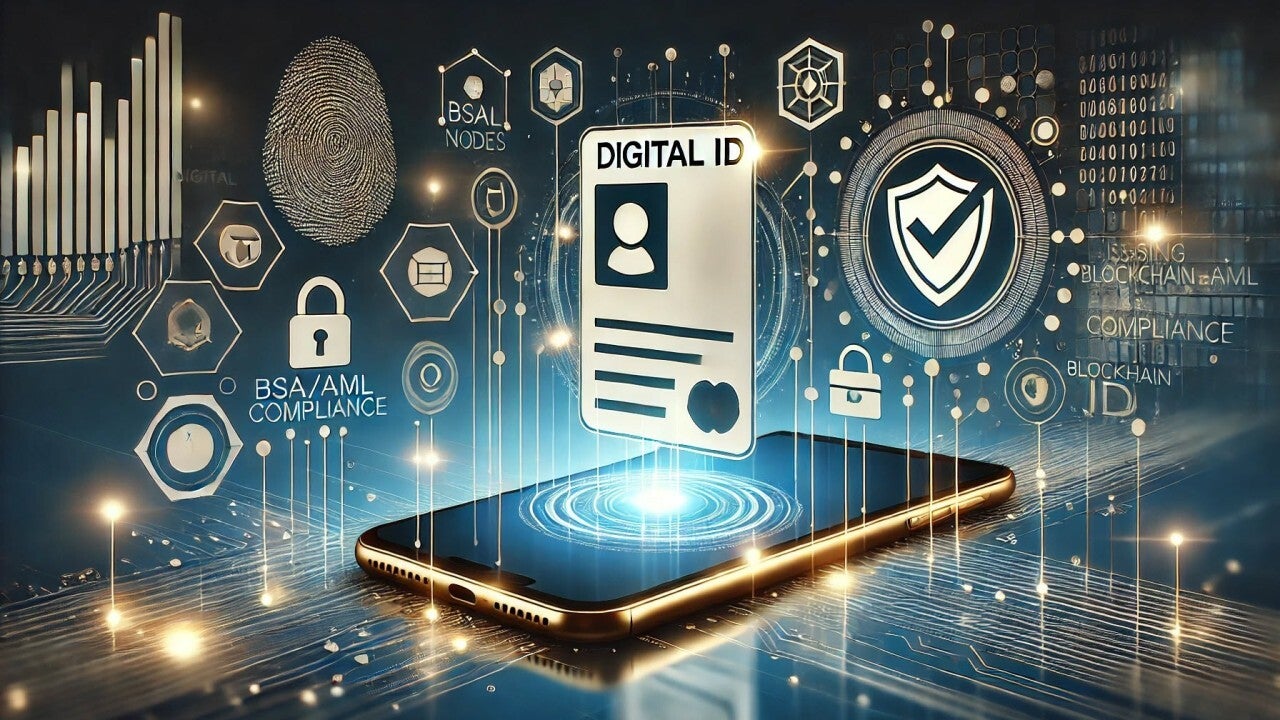
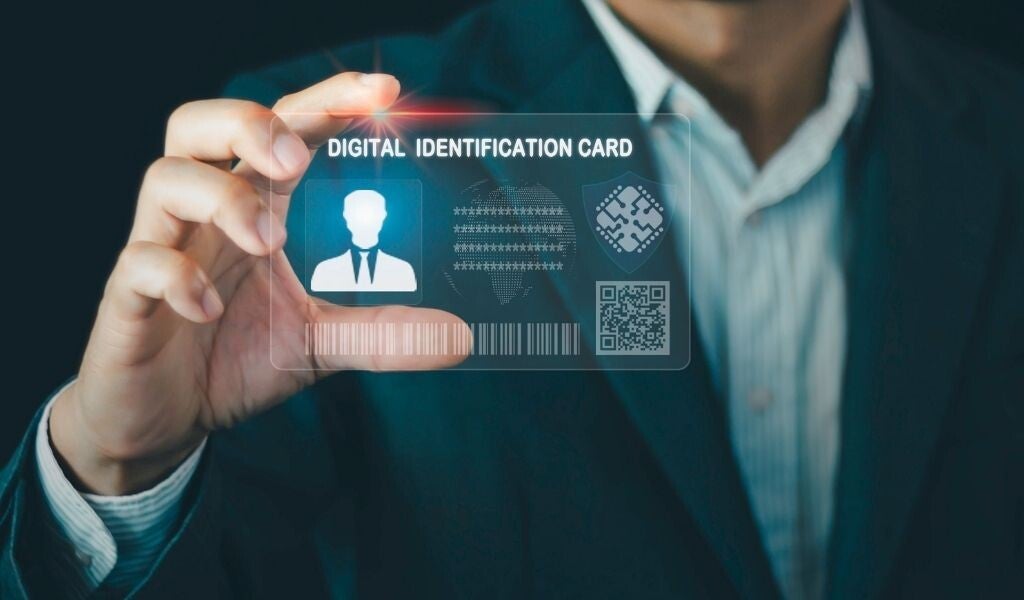
Digital IDs, also known as electronic IDs or eIDs, are digital versions of identity documents. They serve the same purpose as traditional physical IDs but exist in a digital format, often accessible through smartphones or smart cards. Digital IDs can include various types of information, such as:
- Personal details (name, date of birth, address)
- Biometric data (fingerprints, facial recognition)
- Social security or tax identification numbers
- Digital signatures
- Health information
- Financial data

How Digital IDs Work
Digital ID systems typically involve the following components:
- Enrollment: Citizens register their information and biometrics with the issuing authority.
- Authentication: Users prove their identity through various means (e.g., biometrics, PINs, or passwords).
- 3. Authorization: The system grants access to services based on the authenticated identity.
- 4. Digital Signature: Users can sign documents electronically with legal validity.
Potential Benefits of Digital IDs
Proponents of digital IDs argue that they offer several advantages:
- Convenience: Easy access to government services and private sector transactions.
- Efficiency: Streamlined processes for both users and service providers.
- Reduced Fraud: Enhanced security features can make identity theft more difficult.
- Financial Inclusion: Easier access to banking and financial services for underserved populations.
- Improved Public Services: Better targeting and delivery of government benefits and services.
Privacy Concerns & Risks
Despite their potential benefits, digital IDs raise significant privacy concerns:
- Data Collection and Storage: Digital IDs often involve collecting and storing vast amounts of personal data, creating potential targets for hackers.
- Surveillance and Tracking: Governments or corporations could potentially use digital ID systems to monitor citizens’ activities and movements.
- Function Creep: Systems implemented for one purpose might be expanded for unintended uses without proper oversight.
- Data Sharing and Third-Party Access: There’s a risk of unauthorised sharing of personal data with third parties, including other government agencies or private companies.
- .Biometric Data Risks: Unlike passwords, biometric data can’t be changed if compromised, posing long-term security risks.
- Digital Exclusion: Those without access to technology or the skills to use it might be left behind, creating a new form of social inequality.
- Centralisation of Data: Storing vast amounts of personal data in centralised databases creates a single point of failure for potential breaches.
- Consent and Control: Users may have limited control over their data and how it’s used once it’s in the system.
Balancing Benefits & Privacy Protection
To address these concerns while leveraging the benefits of digital IDs, several approaches can be considered:
- Privacy by Design: Incorporating privacy protections into the core design of digital ID systems.
- Decentralised Systems: Using blockchain or other decentralised technologies to enhance security and user control.
- Minimal Data Collection: Collecting only necessary data and implementing strong data minimisation practices.
- Transparent Governance: Clear laws and regulations governing the use of digital IDs, with robust oversight mechanisms
- . User Control: Giving individuals control over their data, including the ability to see who has accessed it and for what purpose.
- Strong Encryption: Implementing end-to-end encryption to protect data in transit and at rest.
- Regular Audits: Conducting regular security audits and privacy impact assessments.
- Public Education: Ensuring citizens understand how digital IDs work, their rights, and how to protect their privacy.
Countries with Implemented Digital ID Systems
- India: Aadhaar, one of the world’s largest biometric ID systems
- Estonia: e-Identity, a pioneer in digital citizenship
- Singapore: SingPass, a national digital identity system
- United Arab Emirates: UAE Pass, a national digital identity and signature solution
- Sweden: BankID, a solution developed by several Swedish and Scandinavian banks
- Nigeria: eID, a multi-purpose identity card
- Argentina: DNI Digital, a digital version of the national identity document
- Austria: Handy-Signatur, a mobile phone signature system
- Bahrain: eKey, a national electronic identity
- Belgium: eID card, a smart card with digital certificates
Countries in the Process of Developing or Piloting Digital ID Systems
- United Kingdom: Working on a digital identity framework
- Canada: Developing a federal Digital Identity Program
- Australia: Digital Identity system in beta phase
- New Zealand: Working on a Digital Identity Trust Framework
- Germany: Expanding functionality of electronic ID cards
- Netherlands: Developing eID system for citizens and businesses
- France: Working on a digital identity app
- Japan: Expanding use of My Number Card system
- South Korea: Piloting mobile driver’s licenses as digital IDs
- Brazil: Piloting DNI (Documento Nacional de Identidade) system
- Mexico: Developing Cédula Única de Identidad Digital
- Kenya: Developing Huduma Namba system
- Ghana: Working on Ghana Card as a digital identity
- Morocco: Developing national digital ID system
- Thailand: Expanding functionality of national digital ID

Add comment
Comments